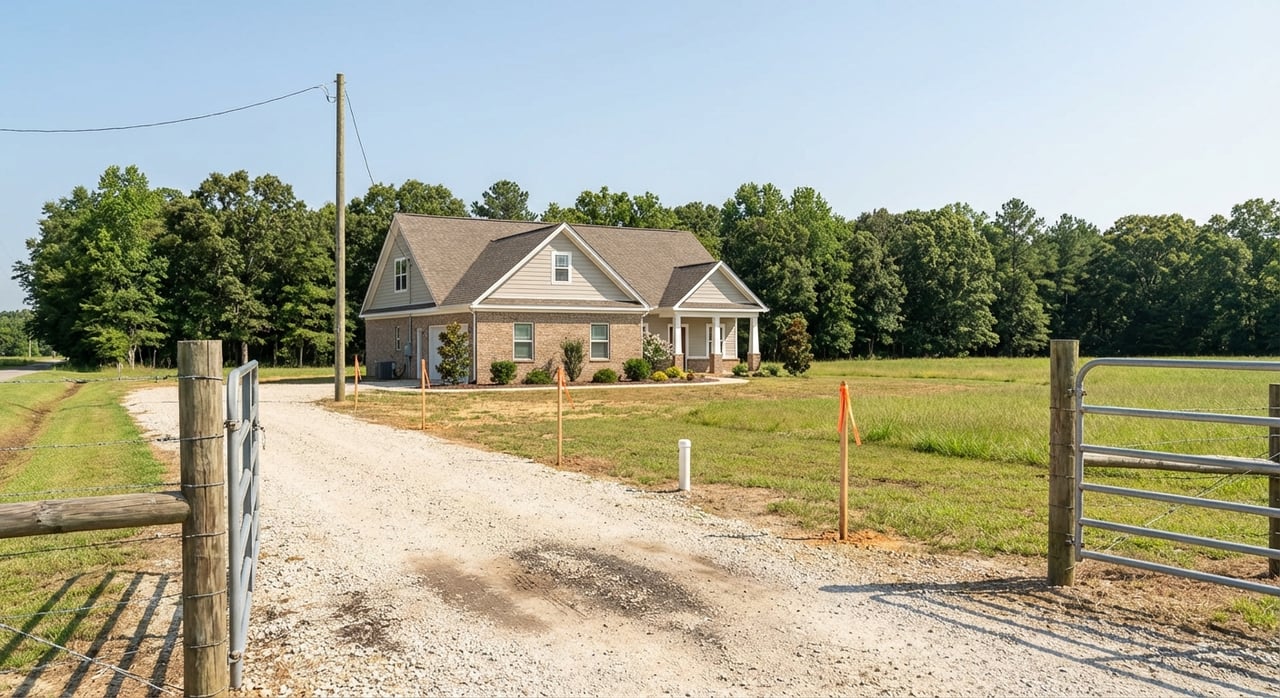
Picture your perfect slice of Arkansas: a few quiet acres, room for a workshop, maybe a garden, and a sky full of stars at night. If that sounds right, you also know the next thought that hits you — where do you even start? Buying land is different from buying a house, especially around Searcy and rural White County. In this guide, you’ll get a clear, step-by-step plan to evaluate acreage with confidence, understand local rules, check utilities, and line up the right financing. Let’s dive in.
Start with location and rules
Before you fall in love with a parcel, figure out if it sits inside Searcy city limits or in unincorporated White County. This one detail controls zoning, setbacks, and which office issues permits.
- Inside Searcy: The city’s zoning map, rules, and subdivision packets outline what you can build and how. Review the city’s resources through City of Searcy Planning & Zoning and ask about zoning, minimum lot size, and utility availability.
- Outside city limits: County rules apply. You’ll rely more on wells and septic systems, and road maintenance may be private in some spots. For recorded documents like deeds, easements, or covenants, check the White County Circuit Clerk.
Tip: If a parcel is near the city boundary, ask if it has been annexed or is eligible for annexation. That can change utility options and permitting steps.
Red flag: Zoning mismatch
- Next step: Call City Planning or the county to confirm the zoning district and permitted uses before you make an offer.
Map utilities and services early
Utilities can make or break your plan. Confirm what is at the road, what it costs to connect, and how long it takes.
Water and sewer
- Inside Searcy: Municipal water and sometimes sewer are typically the simplest path. The city can confirm tap fees, capacity, and timelines.
- Outside Searcy: Many properties connect to regional water associations or use private wells. Sewer is often a septic system. Ask which provider serves the road and what new service will cost. A local example is North White County Rural Water. Always verify the exact provider for your address.
Red flag: No water line at the road
- Next step: Price a well with a licensed driller and compare that cost to bringing a water line to the site.
Electricity and internet
Electric co-ops and utilities serve most of White County. Broadband access varies by area. If remote work or streaming matters, call providers for address-level availability and ask about planned upgrades.
Red flag: Long electric run
- Next step: Get a written estimate from the utility for line extension and set a realistic timeline for connection.
Road access and maintenance
Confirm legal access and who maintains the road or driveway. County-maintained roads are handled by the White County Road Department. Private roads or easements may require a recorded maintenance agreement.
- Learn about right of way and driveway rules through the White County Road Department.
Red flag: No deeded access
- Next step: Require a recorded easement before closing or move on to the next property.
Septic, wells, soils, and flood risk
These site factors determine whether the land is truly buildable. They also affect costs and insurance.
Septic basics in Arkansas
Onsite wastewater systems are permitted and regulated by the Arkansas Department of Health. A proper design depends on soils, slope, and the seasonal water table. Expect a soil evaluation, percolation testing, and a plan that reserves both a primary and secondary absorption area.
- Review program details with the ADH Onsite Wastewater Program.
If a listing says “has septic,” you should still verify it. Tanks can fail and older permits may not match today’s standards. Replacement options depend on available space and soils.
Red flag: Unclear septic status
- Next step: Order an evaluation through ADH or a licensed Designated Representative and request any past permits or as-built drawings.
Water wells and well rules
Well drilling and pump installation are regulated in Arkansas. Always confirm well yield and water quality.
- Review licensing and rules through the Arkansas Water Well Construction Commission rules.
Ask for a recent water test for bacteria and nitrates, a written well log, and a pump performance record. If there is no well, talk to a local driller about expected depth and yield in your area.
Red flag: Low well yield or poor quality
- Next step: Get written quotes for drilling deeper, installing storage, or water treatment and confirm costs before you remove contingencies.
Soils, wetlands, and flood zones
Use soils mapping and flood data to screen a parcel before you pay for surveys and permits.
- Check local soils resources via the NRCS/USDA Searcy Service Center.
- Confirm the parcel’s flood zone at the FEMA Flood Map Service Center.
If wetlands show on maps or the ground stays saturated, you may need approvals to disturb the area. Flood zones can also raise insurance costs and limit where you can build.
Red flag: Mapped floodplain or suspected wetland
- Next step: Pin the build site outside the flood zone, or consult the Army Corps and your insurer to understand permit and insurance impacts.
Financing options for land in White County
Land loans work differently than standard home loans. Raw land with limited improvements often requires larger down payments, higher interest, and shorter terms. Improved lots with road access and utilities may qualify for more favorable terms. For a helpful overview, see this guide to land financing from The Balance.
Here are common paths buyers use near Searcy:
| Option | Best for | Key points |
|---|---|---|
| Local land or lot loan | Parcels with road access and some utilities | Expect bigger down payment and shorter terms than a home mortgage. Ask local banks or credit unions that know rural collateral. |
| Construction-to-permanent | You plan to build soon after purchase | One closing covers land and build. Lender will review build plan, budget, and timeline. |
| USDA/FSA or Farm Credit | Agricultural or hobby-farm use | Program rules apply. Explore ownership loans and eligibility through USDA FSA Farm Ownership Loans. |
| Owner financing or HELOC | Flexible or faster closings | Terms vary. Get everything in writing and confirm balloon payments, interest, and prepayment rules. |
Tip: Talk to lenders before you write an offer. Share parcel details, utilities, access, and your build timeline so they can match you to the right product.
Your step-by-step due diligence checklist
Use this simple order of operations to move from “curious” to “confident.”
Confirm jurisdiction and zoning. Call City of Searcy Planning & Zoning if inside city limits. If outside, confirm county rules. Ask about permitted uses and any long-range plans for nearby roads or utilities.
Collect core documents. Ask the seller or listing agent for the survey, legal description, recorded easements or covenants, and any prior septic or well paperwork. Verify documents at the White County Circuit Clerk.
Verify utilities at the road. Identify the water supplier, confirm if sewer exists, and locate the nearest electric line. Ask for tap fees, meter costs, and capacity. Check realistic lead times for new service. A local example provider is North White County Rural Water.
Screen soils and topography. Pull a preliminary soils review and schedule on-site soil pits and a perc test if you will need septic. If water is not available, request a well depth and yield estimate from a licensed driller.
Check floodplain and wetlands. Run the parcel through FEMA’s flood map. If wetlands appear on maps or you see standing water, seek guidance before planning site work.
Evaluate existing septic and wells. If a system or well is present, request permits, design plans, logs, and recent test results. Order independent inspections to confirm condition and capacity.
Confirm taxes and any dues. Call the White County Assessor to confirm current taxes, the homestead credit process, and whether any special district dues apply.
Order title and a current boundary survey. Ask for a title commitment that lists all exceptions, mineral reservations, and easements. Review access language and utility easements that could limit buildable area.
Get site-work and utility estimates in writing. Price driveway grading, culverts, clearing, well and septic, and any electric line extensions. Confirm right-of-way and driveway-permit rules with the White County Road Department.
Finalize financing. Share everything you have learned with your lender. If your plan involves agriculture, contact USDA FSA about eligibility and timelines.
What “buildable” really means
A parcel is buildable when there is a safe, legal place to set a home, room for a permitted septic absorption area if needed, legal access from a public or deeded road, and a path to utilities that meets local rules. You confirm buildability through soils tests, septic design, flood checks, and utility letters or estimates. Do not skip these steps. They protect your budget and your timeline.
How we help you land the right land
Buying acreage should feel exciting, not overwhelming. When you work with our team, you get local guidance, practical checklists, and introductions to the right people at the right time — from city or county offices to trusted drillers, septic designers, and surveyors. We coordinate the details so you can focus on the vision for your property.
Ready to explore acreage near Searcy? Reach out to Howell Realty Pros for local, hands-on help from offer to closing.
Local resources you can use
- City zoning and annexation questions: City of Searcy Planning & Zoning
- Building permits and inspections inside city limits: City of Searcy Planning & Development
- Recorded deeds, easements, and plats: White County Circuit Clerk
- Road access, right of way, and driveway entrances: White County Road Department
- Septic system rules and permits: ADH Onsite Wastewater Program
- Water well construction rules and licensing: Arkansas Water Well Construction Commission rules
- Soils, conservation, and technical help: NRCS/USDA Searcy Service Center
- Flood zone lookups: FEMA Flood Map Service Center
- Regional water provider example: North White County Rural Water
- Farm lending programs: USDA FSA Farm Ownership Loans
FAQs
What should I check first when buying land near Searcy?
- Start by confirming whether the parcel is inside Searcy city limits or in unincorporated White County, then verify zoning, legal access, and basic utilities at the road.
How do I know if a rural parcel can support a septic system?
- Order a soil and percolation test and get a permitted design through the Arkansas Department of Health or a licensed Designated Representative.
Who do I contact for recorded easements or covenants in White County?
- The White County Circuit Clerk can help you search deeds, easements, covenants, and plats to confirm access and restrictions.
What if the property is in a FEMA flood zone?
- You may still build if local rules allow, but you will need to consider elevation, insurance costs, and placing improvements outside higher-risk areas when possible.
Can I finance raw land around Searcy without building right away?
- Yes, but expect larger down payments and shorter loan terms; talk to local banks or credit unions early to compare land or lot loan options.